天才編織家─臺灣原住民的織物與編器
2025/10/17~2026/3/22
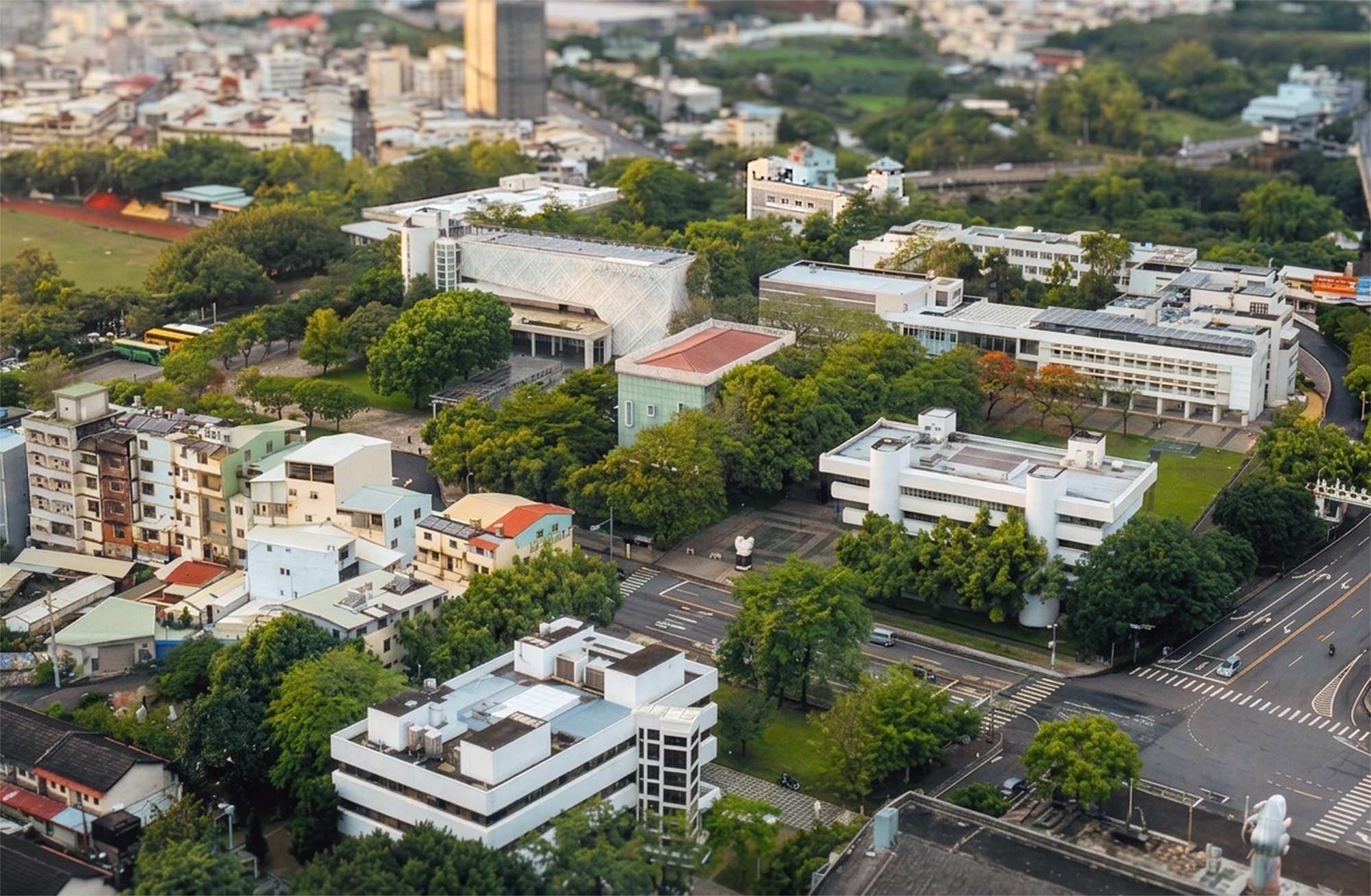
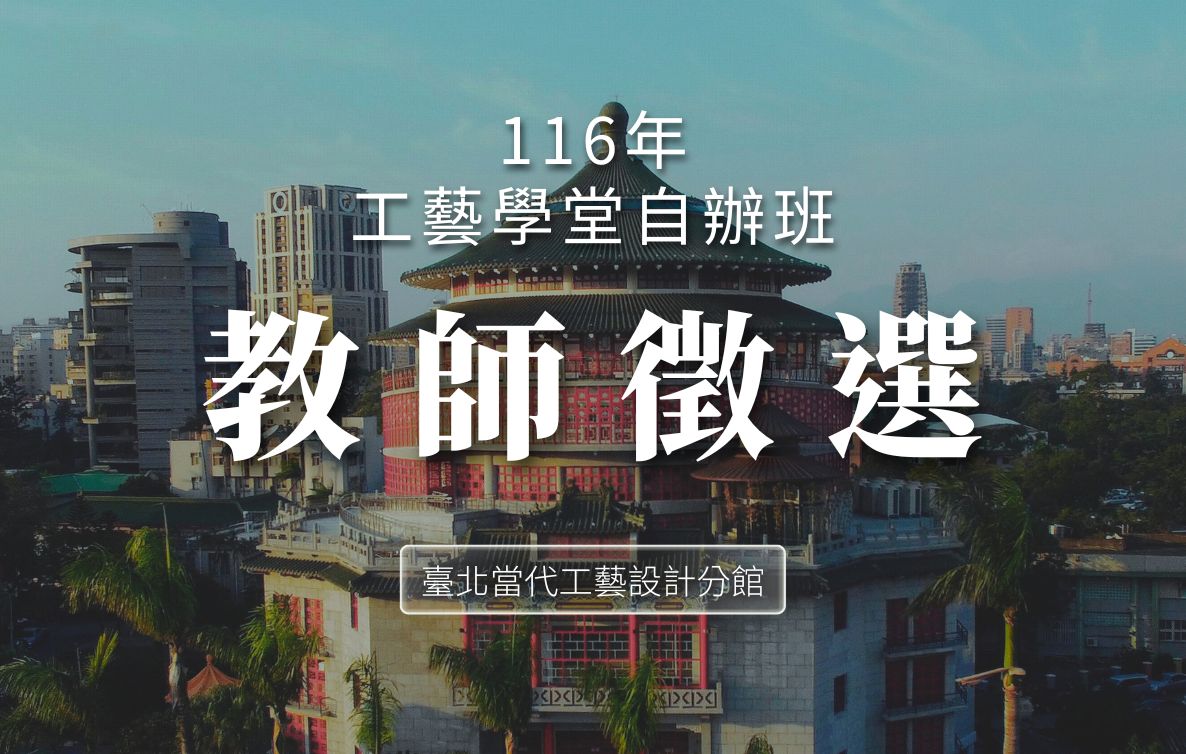
國立臺灣工藝研究發展中心臺北分館3樓創意區
(臺北市南海路41號3樓)
英文的「weave」一詞,依牛津辭典的解釋為:「線狀或條狀物被安排在編織布料上的方法;線所造成的紋路。」劍橋辭典:「1. 在織機上透過兩組長線以單一線條重複交疊成布匹;2. 將長條形的物件扭編在一起,或是以這個動作來製作某物」其對應的中譯,則有「編」與「織」兩種意思;而「編」與「織」這兩個動作,正是植物纖維由線性轉化成平面或立體最常使用的技法,單單由這兩種技法創作出來的作品,不論是織物或編器,均可擁有千變萬化的圖紋與造型,並為人類的生活帶來便利與美感。
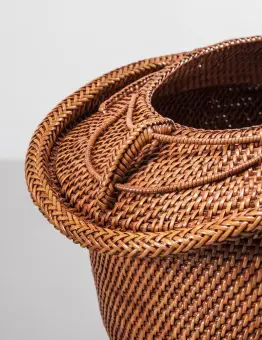
本次以「天才編織家」為題,正是聚焦於臺灣原住民豐富深厚的工藝文化中巧手編織的技藝與圖紋,從織物與編器中窺見各族日積月累的生活智慧與藝術美學,以及其中所蘊藏的族群識別與文化傳承意涵;在強調文化多元與族群融合的社會中,當代創作者發現了原住民美感的獨特與可貴,於是對傳統技法與舊有紋樣╱器形重新演繹與創新運用,或是以文字與圖像紀錄原民工藝的創作軌跡,都為臺灣的藝術增添了新的詮釋與內涵。
臺灣原住民的生活面向無一不與祖靈連結,在製作編織物件之時,從材料的發現與採集、工具的研製到器物與布匹的完成與使用,都含藏了他們對於祖靈信仰與規範的虔敬之心。一生都在從事織布工作的印度詩人卡比爾說:「織布,是外在的行為,但同時有某些東西在我內在進行,那是你們看不到的,那是我的靜心。」這種以「心」為出發點的創作,正好契合本中心今年成立71週年所倡議的「70+1從心開始•心工藝運動」元年之倡議,編織工藝藉由身體的勞動與實踐,滿足了日常所需,建構的不只是生活態度與風格,還有內在的修為與文化認同。
本展以「材料」、「工具」、「織品」、「編器」四個單元介紹原住民編織的工序歷程與作品,最後一個單元「演繹」則是原民編織藝術的啟發與轉化。不同於當代藝術家取材現成的便利,大多數原住民的編織材料至今仍須自行採集,甚至自行栽種,並自製工具,然後在心手合一的專注之下完成創作,這樣的過程反映出工藝與自然、工藝與社會、工藝與信仰的關係,更體現了本中心「漫活SLOHAS_是樂活事」的主軸精神,即在地思維融合慢活(SLOW)與樂活(LOHAS)的概念,以及含括簡單(Simplicity)、生活型態(Lifestyle)、原創(Originality)、健康(Health)、美學(Aesthetics)及永續(Sustainability)的六大核心價值;加上對原民編織傳統的演繹創作,不僅是從S(簡單)到S(永續)串連起無限循環的「善藝」,也是工藝文化積累之下所激盪而起的創意漣漪。
以山林的智慧為經,編織的技藝為緯,經緯縱橫的實踐輔以對自然的虔敬之心,造就了臺灣的天才編織家。
參展者
˙太魯閣:那都蘭工作坊、都姆恩.馬邵
˙布農:林南吉
˙邵:陳怜喻
˙卑南:李順成、陳秋芳
˙阿美:高梅禎
˙泰雅:高林美鳳、韋清田
˙噶瑪蘭:花蓮縣噶瑪蘭族發展協會
˙賽夏:章潘三妹、章雁雯
˙賽德克:何珍襄、范阿生、林喜美
˙噶瑪蘭╱阿美╱漢:光織屋─巴特虹岸手作坊
˙排灣╱漢:卡塔文化工作室
˙漢:鄭梅玉
聯絡人:謝小姐
02-2388 7066 ext.126
Genius Weavers – The Textiles and Basketry of Taiwan's Indigenous Peoples
Oct. 17., 2025 ~ Mar. 22., 2026
Taipei Branch, National Taiwan Craft Research and Development Institute
No. 41, Nanhai Rd., 10066 Taipei
The term “to weave” is defined by Oxford Dictionary as “the way in which threads are arranged in a piece of cloth that has been woven; the pattern that the threads make.” According to Cambridge Dictionary, the term, by definition, is, firstly, “to make cloth by repeatedly crossing a single thread through two sets of long threads on a loom,” and secondly, “to twist long objects together, or to make something by doing this.” Moreover, corresponding translations of the term in Chinese appear to be “to braid” and “to weave.” The movements explain explicitly the most common techniques when it comes to converting linear plant fibers to 2D or 3D patterns. The works created by adopting these two techniques – whether it is for fabrics or baskets – boast to have kaleidoscopic changes in both patterns and shapes, and introducing convenience and beauty into human life.
The title “Genius Weavers” stands out for the exhibition and the spotlight features their techniques as well as the cleverly-woven patterns. The fabrics and baskets shed light on the living wisdom, aesthetics, ethnic group identification as well as cultural inheritance hidden inside the different cultures. In addition, these works unfold before audiences’ eyes the reinterpreted version and innovative application by contemporary craft professionals when they encounter traditional techniques, patterns and forms of basket.
For Taiwan’s Indigenous peoples, every aspect of daily life is bound to their ancestral spirits. This reverence is present in weaving—from gathering materials and crafting tools to finishing and using baskets and textiles. As the Indian poet Kabir, who spent his life at the loom, observed: “Weaving is an outward action, but at the same time something is happening within me, something you cannot see—that is my meditation.”
This spirit of creation from the heart echoes NTCRI’s 71st anniversary initiative: “70+1: Crafting from the Heart – The Heartfelt Craft Movement.” Weaving meets practical needs, but it also shapes ways of living, expresses cultural identity, and nurtures inner growth.
The exhibition unfolds in four sections—Materials, Tools, Textiles, and Basketry—followed by Interpretation, which explores new expressions inspired by Indigenous weaving. Many weavers still harvest or cultivate their own fibers and fashion their own tools, completing their work with focused unity of hand and heart. These practices reveal the deep ties between craft, nature, society, and spirituality.
They also reflect the NTCRI’s SLOHAS philosophy: Living with Craft, Living with Ease, which brings together slow living and LOHAS through six values: Simplicity, Lifestyle, Originality, Health, Aesthetics, and Sustainability. Together they form a cycle of “virtuous art,” sparking creativity rooted in tradition yet open to renewal.
With the wisdom of the mountains as warp and the skill of weaving as weft, Taiwan’s genius weavers embody a legacy where craft and life are seamlessly intertwined.
Artists and Studios
˙Amis: Ili
˙Atayal: Hayung Yuraw, Taka Tana
˙Bunun: Balakav Ismahasan
˙Kavalan: The Hualien County Kavalan Development Association
˙Puyuma: Shun Cheng Li, Lringa Pakaruku
˙SaySiat: ‘away a ta:in Sa:wan, ’away a ’itih minrakeS
˙Seediq: Awaiy Butah, Ukan Iban, Uma Peling,
˙Truku: Tumun Masaw, Nadolan Studio
˙Thao: Ali Lhkahihian
˙Kavalan/Amis/Han Chinese: Paterongan (Lightwoven House)
˙Paiwan/ Han Chinese: Ata Aboriginal Cultural Craft Studio
˙Han Chinese: Mei-Yu Cheng